Build Bridges That Hold Under Pressure

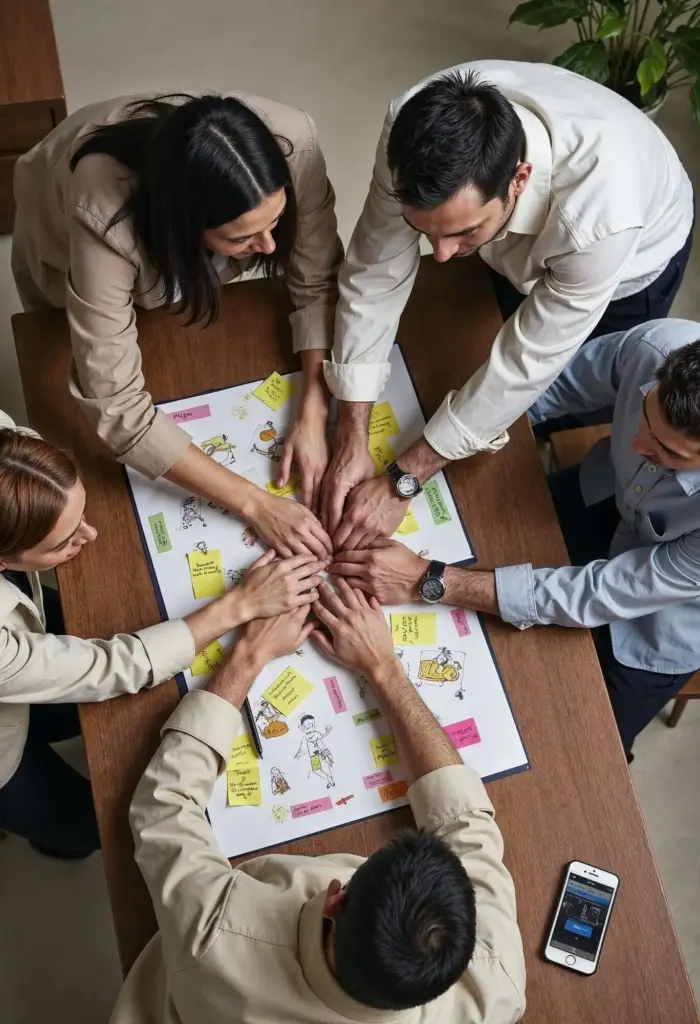
Today we dive into Case Study Kits for Cross-Cultural Communication—practical collections of stories, prompts, and facilitation tools that simulate challenging, multicultural moments. Expect concrete scenarios, reflective questions, and measurable next steps. Learn how to design, run, and iterate kits that transform confusion into understanding, and meetings into momentum, while inviting your voice, experience, and curiosity to guide meaningful, respectful collaboration across differences.

Why Stories Solve Misunderstandings

When people meet across cultures, facts alone rarely melt the ice. Stories help listeners inhabit unfamiliar contexts, hear intentions behind words, and notice how small cues change meaning. Case Study Kits place you inside believable moments so you can experiment safely, test assumptions, and practice new responses before the next real, high-stakes conversation arrives.

Designing a Powerful Case Kit

Strong kits blend realism with teachable structure. They include context briefs, nuanced personas, authentic artifacts, clear objectives, and facilitator guides. The magic lies in tension: enough ambiguity to provoke debate, but enough scaffolding for productive learning. Every element should spotlight cultural signals, reduce stereotyping, and empower participants to try new language and behaviors.

Facilitation That Welcomes Every Voice

The best learning environment balances structure and humanity. Psychological safety, clear expectations, and equitable airtime allow people to risk new language without fear. Facilitation plans should accommodate accents, time zones, and reflection styles, while offering concrete protocols—round robins, chat-first prompts, and paraphrasing ladders—that let quieter participants influence outcomes meaningfully.

Before the Session: Trust by Design

Send a pre-brief explaining goals, norms, and how participation works. Offer vocabulary glossaries and optional readings. Invite anonymous questions to surface sensitivities early. Clarify that the purpose is skill-building, not judgment. When expectations are transparent and support is visible, participants arrive ready to listen generously, speak bravely, and experiment without self-consciousness.

During the Session: Structure Without Stranglehold

Use timers, turn-taking, and concise written prompts to level the field. Encourage paraphrasing before disagreement. Mix small groups with plenary debriefs so processing styles are honored. Ask observers to track cultural signals rather than people, shifting critique away from personalities. Structure guides energy, yet flexibility preserves authenticity, allowing real emotions to become material for learning.

After the Session: Debriefs That Stick

Close with reflective writing, behavior commitments, and peer feedback focused on specific moments. Share a concise checklist for future meetings: clarify intent, confirm understanding, and agree on next steps. Encourage participants to try one new phrase this week, then report outcomes. Follow-up reinforces momentum, turning insight into everyday habits that compound across teams and projects.

Measuring Real Impact

Training matters only if behavior changes. Define a small set of indicators that reflect everyday work: fewer email escalations, faster conflict resolution, higher satisfaction in cross-border collaborations, and improved Cultural Intelligence scores. Mix qualitative narratives with quantitative trends to capture human nuance alongside operational progress, informing leaders and learners with trustworthy, actionable evidence.

Signals to Track in the Wild

Look for earlier clarification questions, more explicit summaries, and fewer last-minute surprises at handoffs. Monitor meeting notes for shared definitions. Track time-to-alignment on decisions spanning regions. Collect short voice notes describing moments of prevented misunderstanding. These field signals show whether skills are traveling from simulated cases into messy, valuable, real collaboration.

Simple Experiments Anyone Can Run

Pilot a three-week cadence: week one case practice, week two live experiment, week three reflection. Choose one behavior—confirm intent before critique—and measure its usage. Compare outcomes across teams. Tiny experiments reduce risk, generate believable data, and invite participation from skeptics who prefer proof gathered close to actual work, not distant training rooms.

Closing the Loop With Leadership

Translate learning into metrics leaders already track—cycle times, churn drivers, incident postmortems, and engagement scores. Share concise narratives showing cost avoided or trust restored. Ask executives to model behaviors publicly, normalizing reflection and repair. When leaders support measurement and practice, cultural fluency becomes an organizational asset, not merely an individual aspiration or isolated workshop outcome.

Product Teams Shipping Across Time Zones

Design cases around release trains, incident response, and asynchronous design reviews. Include screenshots of issue trackers, comments with conflicting urgency, and stakeholder maps spanning procurement to compliance. Practice rituals for handoffs that protect sleep, respect holidays, and maintain velocity. Outcomes include fewer rollbacks, clearer ownership, and calmer launches coordinated across continents without burnout.

Clinics Navigating Family Decision Norms

For healthcare, create scenarios where informed consent intersects with collective decision traditions. Use interpreter notes, discharge summaries, and signage examples. Practice explaining risks without shaming, and inviting questions without rushing. Emphasize dignity during difficult news. The goal is safer care, strengthened trust, and fewer avoidable readmissions driven by misread cultural expectations around authority and autonomy.

Universities Welcoming Global Cohorts

Build cases featuring office hours, group projects, and academic integrity discussions. Provide syllabi excerpts, email threads, and grading rubrics. Practice inviting participation beyond accent anxieties, clarifying collaboration boundaries, and translating scholastic norms respectfully. When students feel seen and empowered, campus belonging rises, academic outcomes improve, and intercultural friendships become learning engines that persist well beyond graduation.

Build Your Own and Share Back

A One-Week Build Sprint

Day one, choose a real friction point. Day two, gather artifacts. Day three, write personas and a guiding conflict. Day four, draft prompts. Day five, test with a small group. Package templates and a checklist. Short, focused sprints produce materials that feel current, relevant, and energizing rather than heavy, overworked, and quickly outdated.

Peer Review Without Ego

Invite colleagues from different regions to stress-test assumptions. Ask what felt respectful, what felt off, and what details were missing. Treat critique as cultural data, not personal attack. Reward contributors by crediting edits and sharing outcomes. This collaborative posture builds trust and continually improves precision, warmth, and adaptability across your growing library.

Join the Ongoing Exchange

Add your voice to a wider conversation. Share anonymized cases, comment on others’ adaptations, and report measured results. Subscribe for new prompts, facilitation tips, and research summaries. Tell us a success or near-miss, and we will help translate it into teachable moments, expanding collective wisdom while honoring privacy, safety, and cultural integrity.
Tukixemetofatoxukozo
Privacy Overview

This website uses cookies so that we can provide you with the best user experience possible. Cookie information is stored in your browser and performs functions such as recognising you when you return to our website and helping our team to understand which sections of the website you find most interesting and useful.